



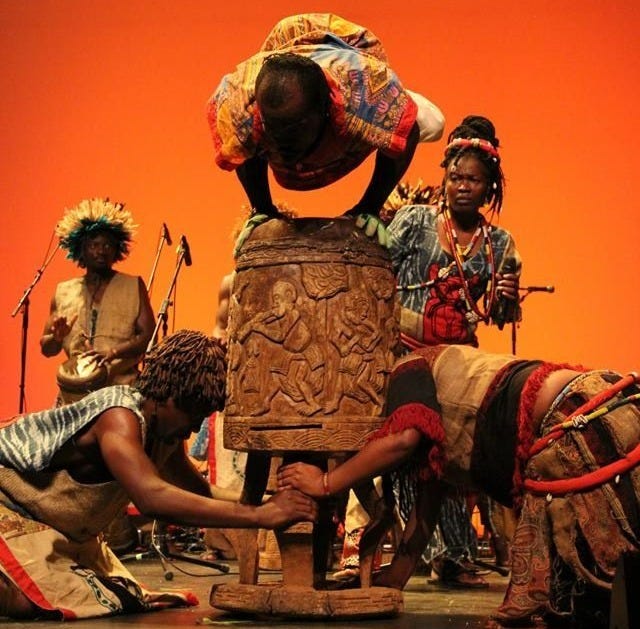
Africa has never been short of talent.
From music and film to fashion, sport, technology, art and storytelling, young Africans have always found ways to create with what they have.
But for generations, having talent was not enough. A talented young person could sing in a neighborhood, design clothes from a small room, make films with borrowed equipment or tell powerful stories and still remain unknown beyond their community.
The problem was not always the talent. Sometimes, the world simply could not see it.
Before the internet, the gate was smaller
For many young Africans, reaching a global audience once depended on a handful of gatekeepers: television stations, record labels, publishers, producers, competitions or international networks.
If they did not open the door, going global could feel almost impossible. Then the internet changed the equation. A phone became more than a phone. It became a camera, a classroom, a marketplace and, for some, a doorway to the world. Today, a young creator in Dar es Salaam can publish a video and potentially reach someone in Lagos, London or Los Angeles without first getting permission from a television executive.
Platforms such as YouTube, TikTok and Instagram have created new spaces for African creators to build audiences and businesses. But there is another question.
Has the internet really levelled the playing field?
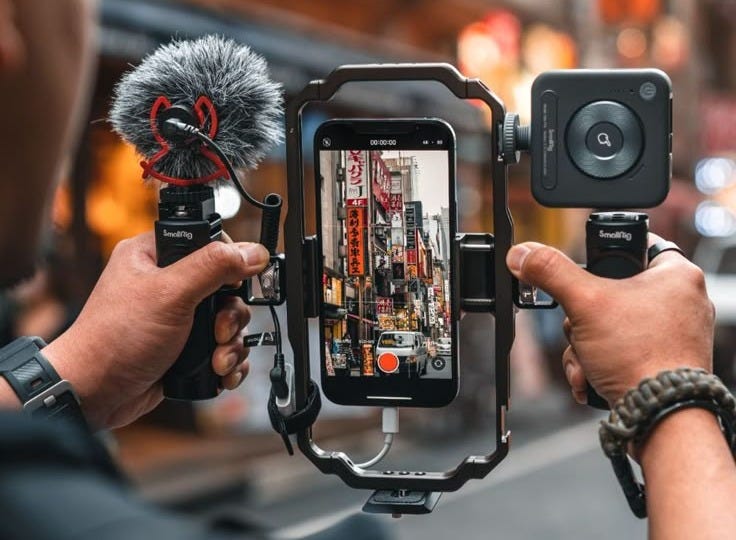
The talent we see may only be part of the story
Scroll through social media and you will find African creators documenting food, fashion, travel, beauty, comedy, culture and everyday life. Some have turned their audiences into businesses.
Others have built careers around their creativity. But perhaps we are still seeing only a fraction of what Africa has to offer. There may be a filmmaker who has never had access to professional equipment. A designer who cannot afford to produce at scale. A musician who has talent but no recording space. A storyteller with something important to say but no platform to reach an audience. And a young innovator with a promising idea but no network, mentorship or funding to develop it.
The internet opened the window. But not everyone has been able to walk through the door.
Talent needs an ecosystem
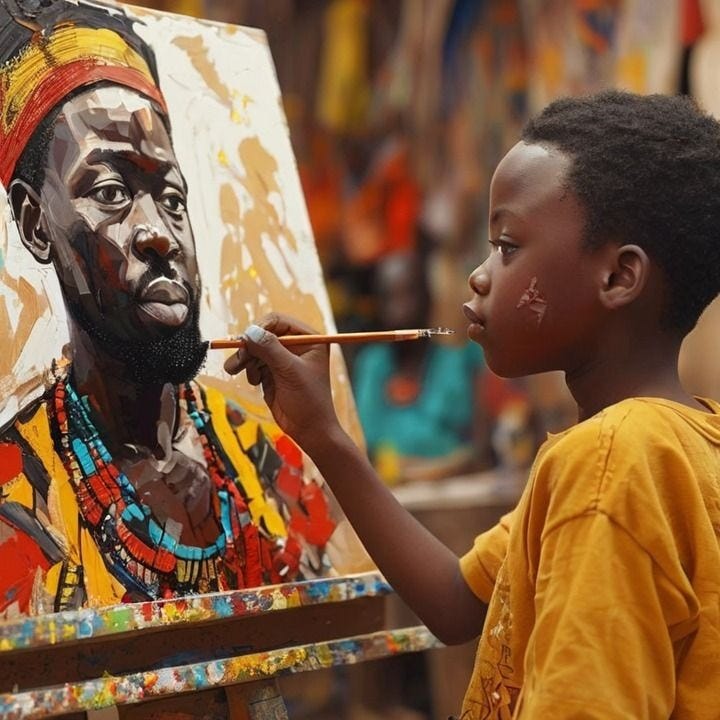
This is where the conversation needs to move beyond motivation. Telling young people to “follow your dreams” is easy. Building an environment where those dreams can actually grow is much harder. Talent needs skills. It needs access to tools. It needs mentorship, networks, financing and opportunities to practice. And increasingly, it needs digital skills.
Africa’s employment challenge makes this even more important. The Mastercard Foundation’s 2026 Africa Youth Employment Outlook estimates that about 304 million young people were working in 2025, while the continent continues to face the challenge of creating enough meaningful and dignified work for its growing youth population. The opportunity, therefore, is not simply to find young people jobs.
It is also to help young people turn what they can do into something the world can recognize and value.
A new generation of global creators
The creator economy is changing what a career can look like. A young person does not necessarily need to wait for a company to hire them before they begin creating value. They can teach. They can design. They can tell stories. They can build a community. They can sell a product. They can work with people in another country without leaving home.
But access to the internet alone does not guarantee success. Africa still faces major gaps in connectivity, affordability and digital skills, meaning the digital opportunity is not equally accessible to everyone. The World Bank has also identified technological transformation as an important part of creating better jobs for Africa’s growing populations.
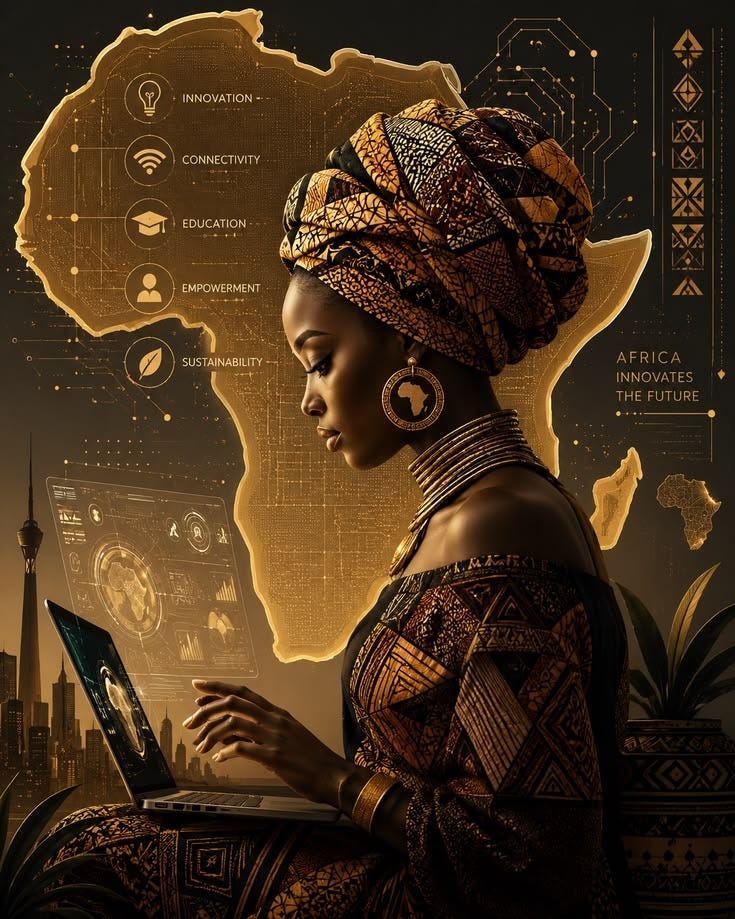
So the next challenge is not simply getting young people online.
It is helping them know what to do once they get there.
Creating pathways to opportunity
This is the space organizations such as Inua Hub are trying to occupy.
Inua Hub says its mission is to empower young people, women and small businesses through digital skills, tools and networks needed to participate in the digital economy. Its work is organized around digital empowerment, entrepreneurship and innovation, global pathways, and sports, culture and community.
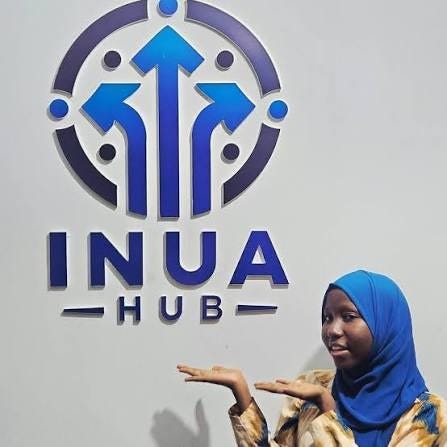
The idea is simple but important:
Talent should not stop at potential. It should have somewhere to go.
According to figures published by Inua Hub, the organization has reached more than 2,500 young people and supported more than 120 businesses, alongside work with women, girls and civil-society organizations. That kind of work points to a bigger question for Africa.
What happens when we stop looking at young people only as beneficiaries who need help—and start seeing them as creators, entrepreneurs, innovators and professionals who need the right platforms to compete?
Africa does not need to wait for the world to discover its talent
The next global filmmaker could be in Accra. The next major fashion designer could be in Nairobi. The next influential storyteller could be in Dar es Salaam. The next technology entrepreneur could be building something in Kigali, Lagos or Lusaka. We do not know their names yet. And that may be the point. Africa may not have a shortage of talent.
It may have a shortage of systems that allow enough of that talent to grow, be seen and reach the world.
The internet has given young Africans a window. Now the challenge is to make sure they have the skills, platforms, networks and opportunities to walk through it.
Because talent can be born anywhere. But opportunity should not depend on where you were born.