



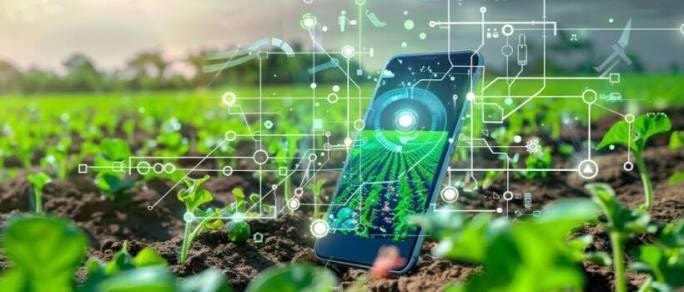
AI and the Tanzanian Farmer: Can Technology Keep Up With a Changing Climate?
When the weather changes, farmers need more than rain-they need accurate and reliable information.
Every morning, a farmer wakes up and looks at the sky, wondering, “Will it really rain today?” or “Should I plant today, or should I wait?”
There is a famous Swahili saying: “Dalili ya mvua ni mawingu,” meaning “the signs of rain are in the clouds.” For more than two decades, farmers have relied on experience, environmental signs and conventional weather forecasts to make decisions about preparing their farms and planting their crops.
But changing climate patterns are making some of these decisions increasingly difficult. Rain can arrive late, fall heavily within a short period, or disappear when crops need it most.
And this is where new technology is beginning to enter the picture.
Artificial Intelligence (AI)-a technology that in recent years has become widely known through chatbots such as ChatGPT-is now being used for other purposes, including analyzing weather information, satellite images and agricultural data to help farmers make decisions about their farms.
Tanzania has already begun taking steps towards such applications. Tanzanian innovators are developing systems that combine AI, satellite data and weather information to provide insights that can help farmers understand what is happening on their farms and what may happen next.
But one big question remains:
Can AI really help the average African farmer adapt to climate change-or will it remain a technology accessible only to a few?
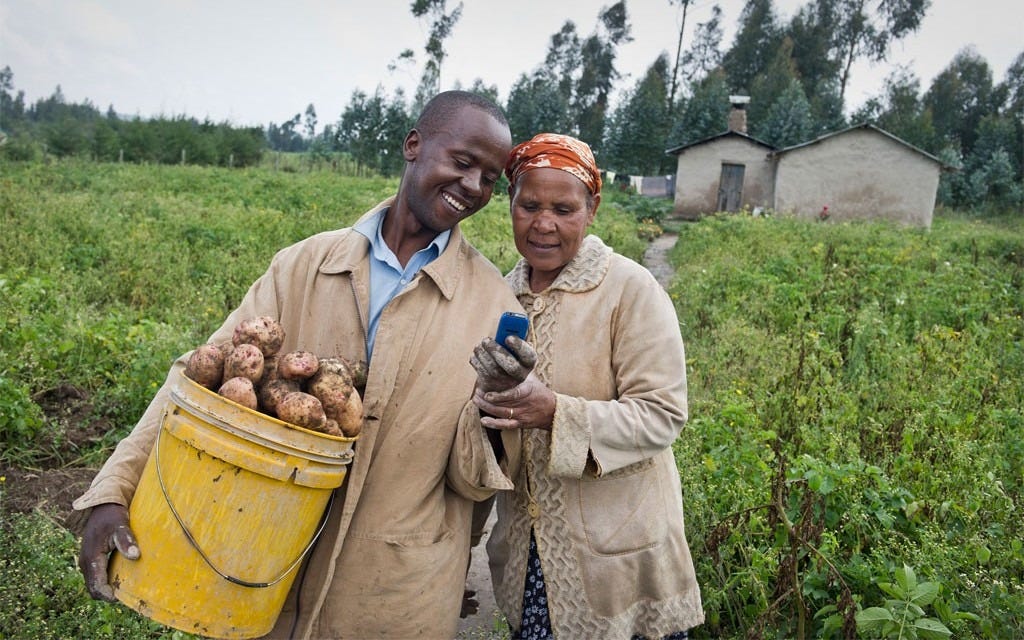
Karatibu is a Tanzanian farmer who grows maize and beans. According to Climate KIC, he grew up learning to predict rainfall through signs such as clouds, wind and even the movement of ants. But he says changing weather patterns have made some of these traditional methods less reliable.
He later came across Rada360, a Tanzanian company that uses satellite data and AI for precision agriculture. Its platform provides services including weather forecasting, crop-health monitoring, soil analysis, drought and flood warnings, and yield prediction.
This brings us to a deeper question:
What happens when traditional farming knowledge meets artificial intelligence?
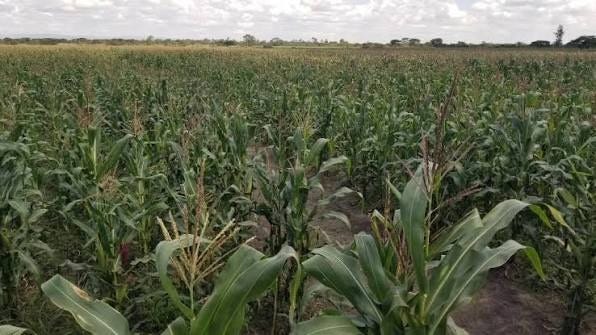
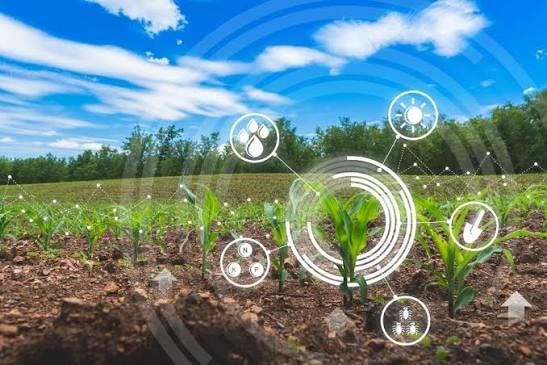
For some Tanzanian farmers, artificial intelligence is still unfamiliar.
Andrew Kikala, a farmer from Bagamoyo, says he does not know much about AI. Although he owns a smartphone, he does not use it for farming.
“I don’t know much about AI. I’m getting older, and I don’t really follow technology. I have a smartphone, but I don’t use it for farming.”
— Andrew Kikala, Bagamoyo
For Elisante Kavishe from Kilimanjaro, technology has never been part of his farming routine. He does not own a smartphone and says his experience has been enough to help him farm successfully.
“I don’t have a smartphone. I have been farming for a long time and I am successful. I don’t believe technology can teach me how to farm.”
— Elisante Kavishe, Kilimanjaro
In Mbeya, Joy Nnko says farmers still rely heavily on the farming seasons.
“When it is the planting season, even if technology doesn’t say so, we just plant.”
— Joy Nnko, Mbeya
But Sara Kisetu from Arusha has already heard about AI and tried using it. Her experience, however, has not completely convinced her.
“I have heard about AI. I have tried using it, but somehow it confuses me.”
— Sara Kisetu, Arusha
For now, Sara says she is not fully convinced by the technology and would rather wait and see how widely it becomes adopted.
These experiences point to a gap between the development of agricultural technology and its adoption by farmers. While AI-powered tools are being developed to provide weather and agricultural information, awareness, access and trust remain important challenges.
The technology may be advancing quickly. But for many farmers, traditional knowledge and experience are still the most trusted tools in the field.
And perhaps the most important question is no longer whether AI can help farmers-but whether farmers are ready to trust it.
Also read the next Article called; AI Is Helping Fight Climate Change. But Is AI Itself Harming the Planet?