



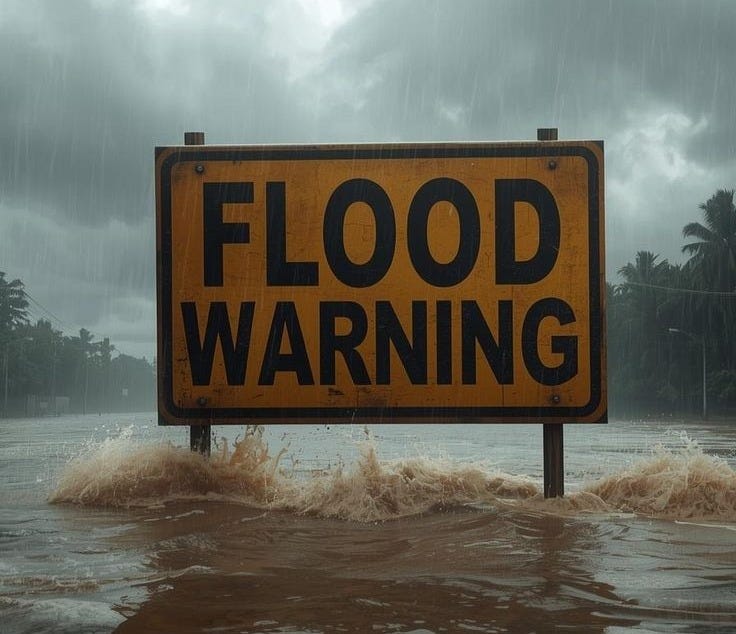
The warning can come days, weeks or even months before the rain.
Weather agencies watch the oceans. Satellites watch the clouds. Scientists study rainfall patterns. Governments issue alerts and communities are told to prepare. But when water finally enters a home, carries away a road or cuts off a neighborhood, one question remains:
If we knew the risk was coming, why were so many people still caught in it?
That question is becoming harder to ignore as El Niño strengthens and the world watches another season of extreme weather.
The World Meteorological Organization WMO says the current El Niño is firmly established and is expected to become very strong in the coming months, with almost a 100% likelihood of persisting through February 2027. The event is expected to shift rainfall and temperature patterns across different parts of the world, increasing the risk of floods, drought and extreme heat.
For the Greater Horn of Africa, the warning is particularly relevant. The region is expected to be warmer and wetter than usual in the final quarter of 2026, with Tanzania among the countries where October-to-December rainfall contributes significantly to annual rainfall.
But there is something important to understand.
El Niño is a warning about changing odds. It is not a prediction that every place will flood.
And that difference matters.
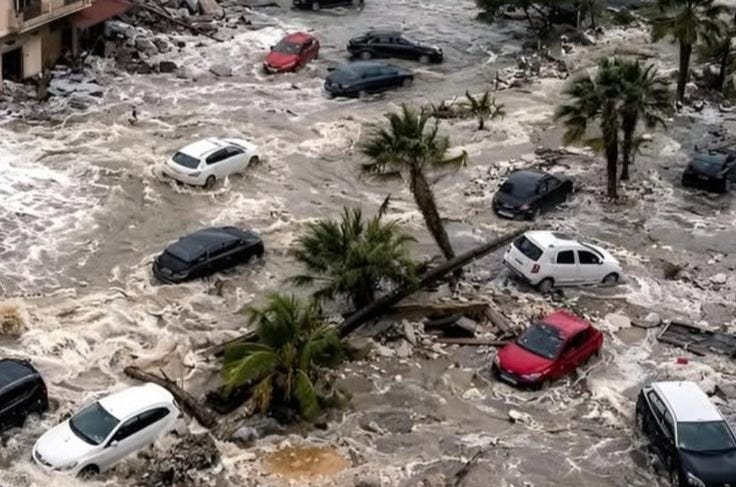
A flood is not just about rain
When people hear “flood”, the first thing that often comes to mind is heavy rainfall.
And yes, rain matters. But rainfall alone does not explain why one neighborhood remains dry while another one, sometimes only a few kilometers away, is underwater.
Where people build matters. Where rivers flow matters. The condition of drainage systems matters. So do wetlands, roads, soil, land use and how quickly authorities and residents can respond.
In simple terms, a disaster happens when a hazard meets people and infrastructure that are exposed and vulnerable to it. That is why some places can experience flooding repeatedly. The rain may change.
But the vulnerability remains.
A neighborhood built in a low-lying area does not move when the rainy season ends. A blocked drainage channel does not clear itself because a weather warning has been issued. And a family living beside a river may receive the same warning as everyone else but still have nowhere affordable to go.
We have seen this before
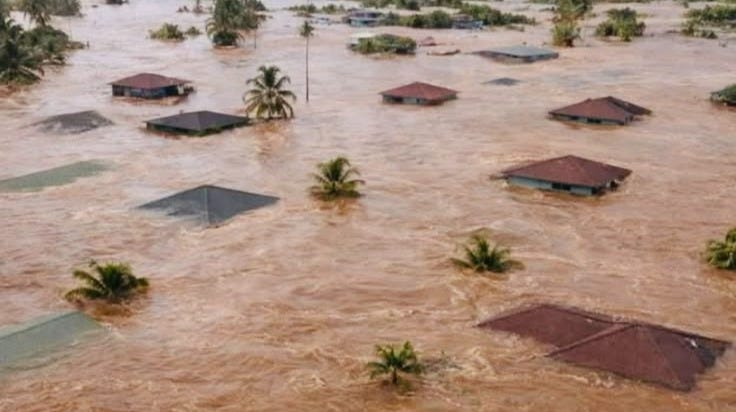
Across many cities, some locations have become almost familiar names whenever serious flooding occurs. The pattern can be frustratingly predictable. Rain comes. Water rises. Roads disappear. Homes are flooded. People are rescued. The water goes down. Life slowly returns. Then the next rainy season arrives. Reuters institute
The question is no longer simply “How much rain fell?”
“Why does the same risk keep returning to the same people?”
That is particularly important for rapidly growing African cities such as Dar es Salaam, where urban expansion, drainage, land-use changes and settlement patterns can shape how rainfall turns into flooding. And this is where climate change adds another layer to an already difficult problem.
Climate change does not mean every flood has one cause
It is tempting to blame every major flood on climate change or El Niño. But climate science is more complicated than that. El Niño changes large-scale atmospheric and oceanic conditions. Climate change changes the background conditions in which weather events occur. Local geography and human activity determine how those events affect a particular community.
So when a flood happens, journalists should resist the easy headline:
“El Niño caused the flood. "The better question is:
What actually triggered this flood, and did climate conditions make the risk worse?
That distinction is visible in Nepal. Nepal
The devastating August 2026 disaster along the Nepal-Tibet border was not simply an El Niño flood. It followed the collapse of part of a glacier, sending ice, rock and debris into a river system and creating a catastrophic flash flood. Scientists have said that warming temperatures and changing conditions in high mountains may contribute to the destabilization of glaciers and slopes, although climate change cannot be described as the sole immediate trigger of that particular collapse.
That is an important lesson.
Climate disasters do not always have a single culprit.
Sometimes the danger is created by the interaction between a changing climate and a place that is already vulnerable.
So what is the point of an early warning?
This may be the most uncomfortable question. If scientists can warn us that a strong El Niño is developing, what happens next? A warning only becomes useful when it changes behavior.
For a farmer, it could mean changing planting decisions. For a city, it could mean clearing drainage channels, protecting critical infrastructure and preparing evacuation routes. For a family living in a flood-prone area, it could mean knowing when to move, where to go and what to carry. For authorities, it means acting before the water arrives, not only after it has entered people’s homes.
The WMO describes seasonal climate forecasts as a window for early action and decision-making. But an early warning cannot move a house away from a floodplain. It cannot unblock a drainage channel. It cannot repair a weak bridge. And it cannot give a family a safe place to relocate.
That part requires preparation.
The question Tanzania should be asking
As El Niño strengthens and Tanzania prepares for a wetter-than-normal final quarter of the year, the question should not simply be:
“Will it rain?”
The answer is obvious, the better question is:
“What have we done differently because we knew the rain could be heavier?”
Because if the same river floods the same community every year, eventually the flood itself stops being the surprise. The surprise is that we are still surprised. A forecast can tell us that the water is coming. But it cannot move a house out of a floodplain, unblock a drainage channel or build a safer bridge. Plan for El nino
That part is up to us. Because the real challenge is no longer only predicting when the water will come. It is making sure that when it does, fewer people have to run for their lives.